Wondering why one Palo Alto home draws multiple offers in less than two weeks while another sits much longer? If you are buying, selling, or simply tracking your equity, it helps to know that home values here are shaped by much more than square footage. In this guide, you’ll get a clear look at the local factors that influence pricing, demand, and buyer behavior in Palo Alto so you can make smarter real estate decisions. Let’s dive in.
Palo Alto Values Start High
Palo Alto remains one of the highest-value housing markets in the Bay Area, and it continues to move quickly. Zillow reports a typical home value of $3,675,706 as of May 31, 2026, which is up 2.6% year over year, with homes going pending in about 11 days. Redfin reports a median sale price of $3,597,847 in May 2026, up 1.3% year over year, with homes averaging 12 days on market and selling at 106.2% of list price.
Those numbers tell you two important things right away. First, buyers are still willing to compete for well-positioned homes. Second, broad city averages are useful for context, but they do not tell the full story of what any one home in Palo Alto is worth.
Micro-Markets Matter Most
One of the biggest drivers of Palo Alto home values is location within the city itself. Public data shows large price differences by ZIP code, which means Palo Alto does not function like a single, uniform market. Instead, it behaves more like a collection of micro-markets.
For example, Zillow reports a median sale price of $4,126,333 in 94301. In 94306, Zillow reports a typical home value of $3,450,949, with homes pending in around 12 days. In 94303, Zillow shows a median ZHVI of $2,140,422, while Redfin reports a median sale price of $2,287,321 and about 13 days on market.
That spread is significant. If you are pricing a home or evaluating a purchase, you need to compare it to the right pocket of Palo Alto, not just the citywide average.
Limited Supply Supports Prices
Palo Alto’s housing supply is one of the clearest long-term value drivers. The city’s housing element shows that the largest share of housing stock was built from 1940 to 1959, with 9,334 units from that era. It also reports that less than 0.5% of developable land between Junipero Serra Boulevard and US 101 is vacant, and only 3.8% of current housing stock was built since 2010.
In simple terms, there is not much room left to expand. When a city is largely built out and new housing is relatively limited, existing homes can command stronger pricing, especially when buyer demand stays elevated.
Jobs and Income Drive Demand
Palo Alto’s local economy plays a major role in supporting home values. The city describes itself as the Birthplace of Silicon Valley and says it has nearly 100,000 jobs. Census QuickFacts reports a 2020-2024 median household income of $231,101, a bachelor’s degree-or-higher rate of 82.3%, and a 2024 population estimate of 67,658.
That combination matters because high-income, highly educated buyers often have both the motivation and the financial capacity to compete for limited housing. In a supply-constrained market, that kind of demand can keep prices resilient even when affordability is stretched.
Stanford Adds Major Value
Stanford is one of Palo Alto’s strongest long-term anchors. Stanford reports that its campus includes 1,292 acres in Palo Alto, along with 150 companies in Stanford Research Park and more than 140 retail stores in Stanford Shopping Center. Stanford also highlights its role in regional commuting and transportation.
For home values, this matters because major institutions create stable demand patterns. Homes with convenient access to Stanford, nearby employment centers, retail, and transportation often draw stronger interest because buyers are not only purchasing a house. They are also buying into a well-connected location.
Amenities Influence Buyer Appeal
Palo Alto offers a deep amenity base that adds to everyday livability and buyer demand. The city reports 36 parks, 41 miles of walking and biking trails, five libraries, and a walkable, bike-friendly street network. It also notes two Caltrain stops, a downtown core, access to Stanford, and connections to I-280 and Highway 101.
These features help explain why some homes command a premium even if they are not the largest or newest option on the market. Easy access to parks, transportation, retail, and civic amenities can shape how buyers perceive convenience and quality of life, which in turn influences pricing.
School Boundaries Affect Pricing Conversations
In Palo Alto, school assignment often comes up when buyers compare homes. PAUSD states that school placement is based on the family residence within a school boundary and that students are generally assigned to neighborhood schools. That makes school boundaries a meaningful part of how buyers evaluate location.
It is important to stay factual here. Boundaries can affect demand because buyers often want clarity about where a property is assigned, but pricing differences are still shaped by several factors at once, including location, lot utility, transit access, and housing type.
Land Can Matter More Than Size
One of the most important things to understand about Palo Alto is that a smaller home can still sell for more than a larger one. That may sound surprising at first, but it makes sense in a built-out city where land is scarce and location is highly specific. In many cases, the lot itself carries tremendous value.
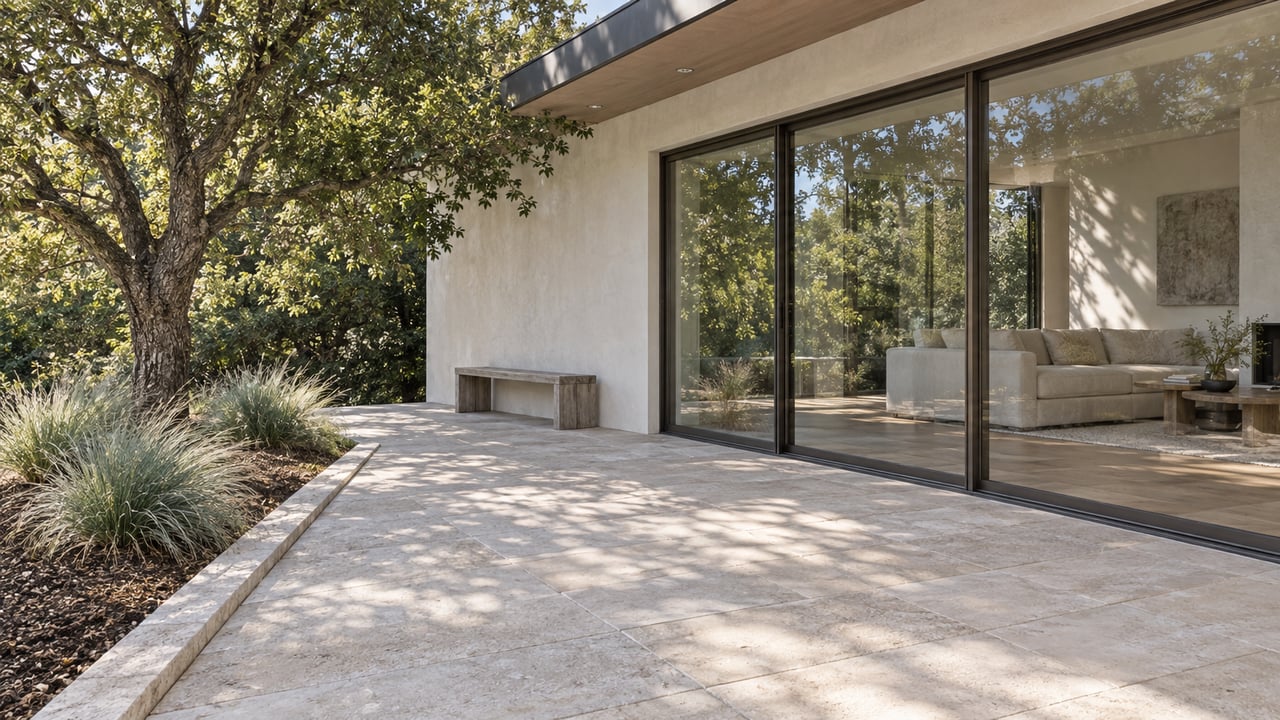
A well-located property with better orientation, more privacy, mature tree cover, or stronger expansion potential may attract more attention than a larger house in a less competitive setting. In Palo Alto, raw square footage is only one piece of the valuation puzzle.
Design and Architecture Carry Weight
Architecture is a real value signal in Palo Alto. The city’s historic register notes that some major buildings are exemplary works or strong style examples, while contributing buildings help define neighborhood character. Palo Alto lists four National Register historic districts: Professorville, Ramona Street Architectural District, Green Gables, and Greenmeadow.
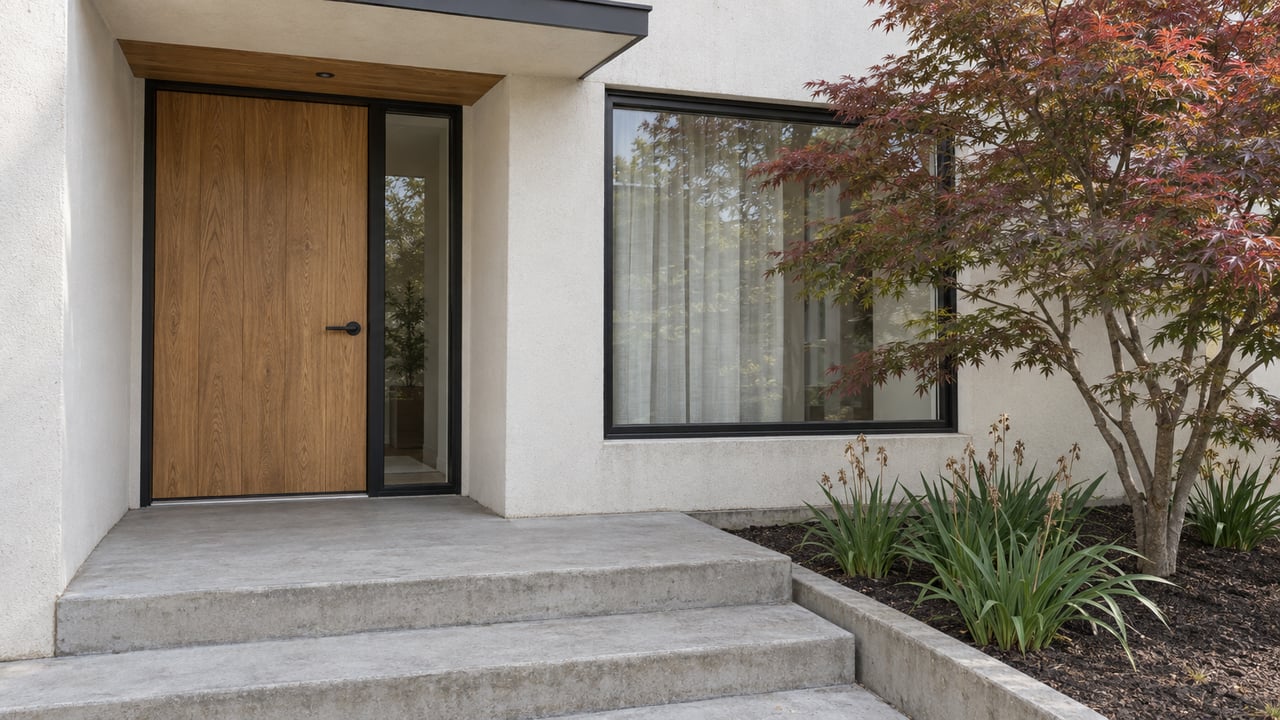
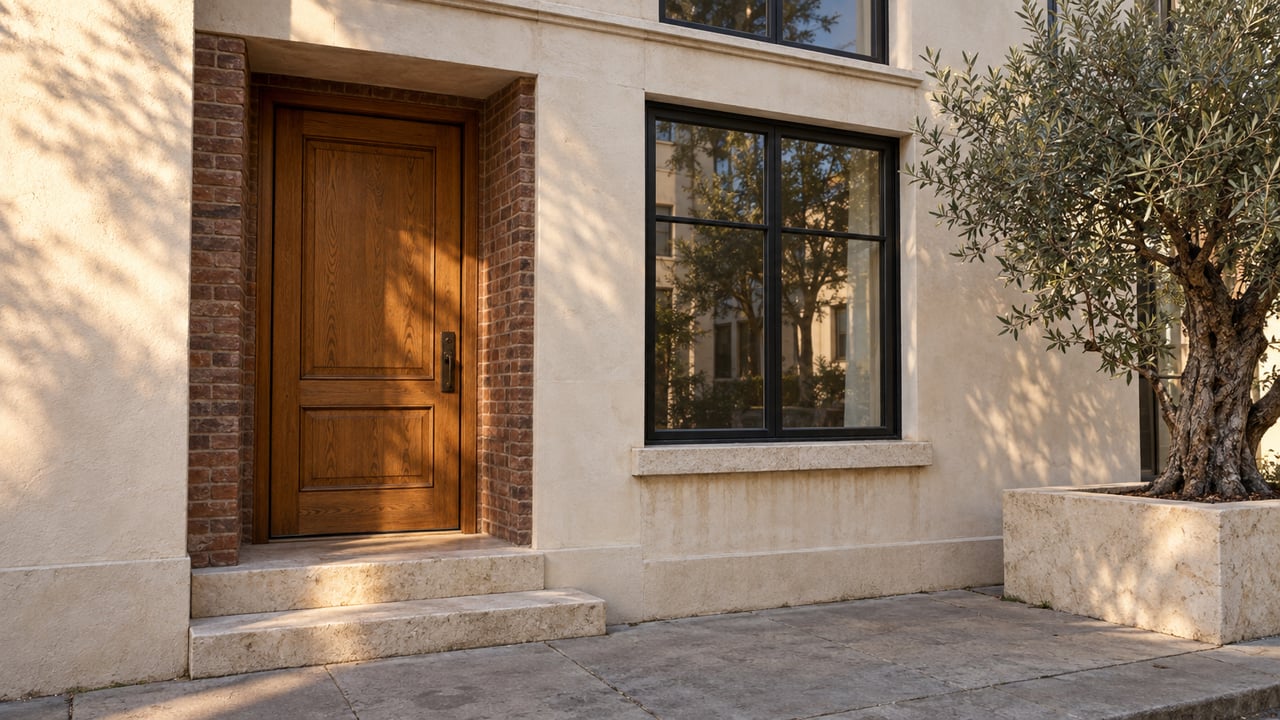
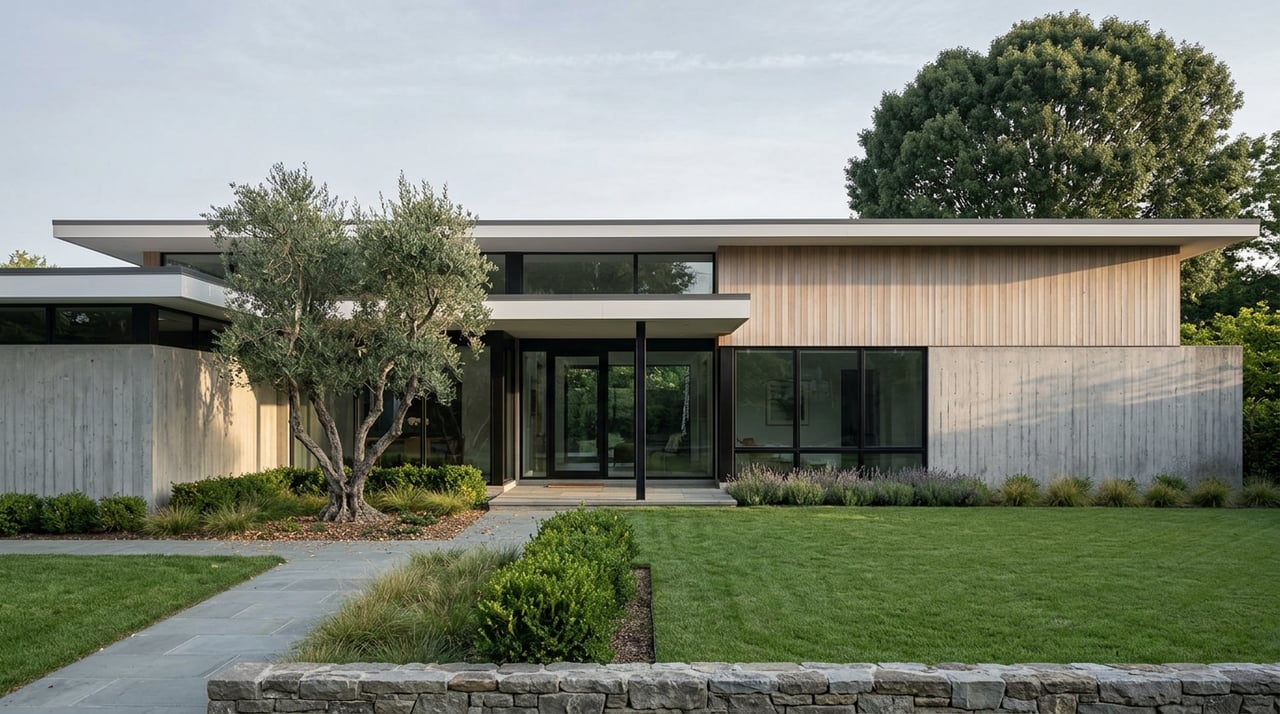
This means buyers often respond to more than function alone. Original design quality, neighborhood character, and a home’s visual identity can all shape buyer demand, especially in areas where preservation and architectural heritage are part of the local housing story.
Eichler Homes Show Character Premiums
Eichler homes are a strong example of how design can influence value. The city describes Eichler neighborhoods as rooted in mid-century modern design, efficient floor plans, indoor-outdoor living, and a design language that can make smaller lots feel larger. The city’s guidelines also show that additions and updates are expected to remain compatible with the original character.
For buyers and sellers, that means the appeal of an Eichler often goes beyond square footage or bedroom count. Buyers may pay a premium for design pedigree, while sellers can benefit when improvements respect the home’s original style.
Remodeling Quality Still Counts
In a market with many older homes, updates matter. Because much of Palo Alto’s housing stock dates back decades, buyers often look closely at remodeling quality, functionality, and how well a home balances modern comfort with its original character. Clean execution and thoughtful design can have a real impact on market response.
That does not mean every renovation adds equal value. In Palo Alto, buyers often notice whether updates feel appropriate for the property, the lot, and the surrounding neighborhood.
Property Type Changes the Outcome
Not every Palo Alto property performs the same way, even under strong market conditions. Redfin’s recent sold examples show a 4-bedroom Palo Alto home selling 15% over list in 20 days, while a 2-bedroom condo sold at list after 154 days. That is a useful reminder that product type matters.
Single-family homes, condos, townhomes, and other property types can attract different buyer pools, different urgency levels, and different pricing behavior. If you are setting expectations, you should compare like with like.
Metro Trends Also Play a Role
Palo Alto does not exist in a vacuum. Redfin reported that the San Francisco metro median home sale price rose 14.4% year over year in March 2026 to a record $1.7 million. Redfin also said the Bay Area metro increased 14% year over year compared with 1% nationally.
That broader backdrop helps explain why upper-tier Palo Alto homes can still see aggressive bidding. When demand is strong across the region, premium cities with limited supply often feel that pressure even more.
How to Read Home Value Data
When you look at public market numbers, it helps to know what they actually measure. Zillow’s ZHVI is a home value index based on monthly changes in property-level Zestimates, while Redfin’s city and ZIP data are based on MLS and public-record information. These metrics are related, but they are not the same.
That is why one source may show a typical value while another shows a median sale price that looks different. The best approach is to use one metric consistently and then narrow your focus to the right Palo Alto micro-market and property type.
What This Means for Buyers and Sellers
If you are buying in Palo Alto, focus on the specific location, property type, lot utility, and design quality rather than relying on broad averages. A smaller, well-situated home may hold value better than a larger home with fewer location advantages. Fast-moving conditions also mean preparation matters.
If you are selling, pricing should reflect the details that truly drive demand for your home. That can include ZIP code, access to transportation and amenities, architectural appeal, remodeling quality, and whether your property offers privacy or future flexibility. In a market this nuanced, strategy matters just as much as exposure.
Whether you are buying, selling, or trying to understand your home’s position in the market, local context makes all the difference. If you want personalized guidance on how these value drivers apply to your next move, connect with Harpreet Dhaliwal.
FAQs
What drives Palo Alto home values the most?
- The biggest drivers include limited housing supply, micro-location within Palo Alto, proximity to jobs and Stanford, access to amenities and transit, lot characteristics, property type, and architectural appeal.
Why can a smaller Palo Alto home cost more than a larger one?
- In Palo Alto, land scarcity, location, privacy, lot utility, and design significance can outweigh raw square footage.
Are all Palo Alto neighborhoods priced the same?
- No. Public data shows major variation across Palo Alto ZIP codes, so values can differ widely depending on the specific area.
Do school boundaries affect Palo Alto home prices?
- School boundaries are part of the local pricing conversation because PAUSD generally assigns students based on residence within a school boundary.
Do historic or Eichler homes sell for less in Palo Alto?
- Not necessarily. Preserved character and distinctive design can attract strong buyer interest, although updates and additions are typically expected to stay compatible with the home’s original style.
How fast do homes sell in Palo Alto right now?
- Recent public data shows Palo Alto homes going pending in about 11 days according to Zillow, with Redfin reporting about 12 days on market citywide.